
Intensive outpatient treatment, delivered live by video
Three evenings a week with the same group and facilitator. Psychiatry and medication inside the program. About eight weeks, starting whenever you are ready.
Get startedCall Now (510) 519-2330
- Monday, Wednesday, Thursday
- 6 to 9 pm Pacific
- Rolling enrollment

How it works over video
It is IOP, delivered virtually
This is the same level of care as in-person intensive outpatient treatment. It meets the same California DHCS licensing, staffing, privacy, and minimum weekly-hour standards. It is not a lighter version of treatment.
Live sessions, never recorded
Groups run live on a HIPAA-compliant video platform built for healthcare. Nobody records, screenshots, or photographs a session. Video is expected for every session. If your video drops partway through, you can dial in by phone for the rest of that session.
You join from a private space
You need somewhere no one can see or hear the group. At the start of every session you confirm where you are, so help can reach you if there is an emergency during group.
If the technology is the problem, tell us
If your device or connection isn't reliable enough, tell us and we'll work it out with you case by case.
How a week runs
Monday
A Recovery Model Canvas check-in, where you look at all five domains of your recovery and then work one of them in depth, followed by the RRC Lab.
Wednesday
The RRC Lab, where the week's core curriculum is taught through teaching, activities, and group discussion.
Thursday
A case management group built around the week's practical recovery tool, followed by the RRC Lab.
Between sessions
Every session sends you home with a Recovery in Real Life assignment to practice before the next group. The work between sessions is part of your treatment plan, not homework nobody checks.
The eight-week curriculum
Recovery starts here
Addiction as a treatable brain condition rather than a moral failure, how the group works, and the start of your own recovery timeline.
Emotions and regulation
Emotions as information, how your nervous system shapes them, and skills for the space between a feeling and a behavior.
Trauma, triggers, and relapse
How trauma connects to triggers and cravings, and how the relapse chain works. This is education about trauma, not trauma processing.
Internal Family Systems
Understanding the protective parts behind old behaviors, the idea that there are no bad parts, and learning to lead from a calm, curious center.
Attachment and boundaries
How early relationships shape recovery, how to set boundaries, and how to communicate in a way that supports it.
Recovery capital
Taking stock of housing, health, work, money, support, and purpose, and building stability one practical step at a time.
Relapse prevention
Early warning signs, riding out cravings, a craving-response toolbox, and your own relapse-prevention plan.
Identity and accountability
Who you are without the substance, shame versus guilt, repair, making decisions, and planning what comes next.
Who is on screen
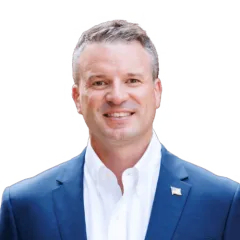
Jon Snipes, MD
Medical Director
License: California C182596
Medication and psychiatry inside the program
If medication is part of what helps you, it is prescribed here. You do not need to find a separate prescriber, book your own psychiatry appointments, or explain your treatment plan to someone outside the program.
What we prescribe
Buprenorphine and naltrexone for substance use, and medication for co-occurring conditions such as anxiety and depression, always when it is medically and clinically appropriate. The physician decides what is appropriate for you. Nobody is promised a particular medication before they are assessed.
You can start medication through the program. If you already take buprenorphine or naltrexone, you do not have to stop it to begin, and the medical team can continue and monitor it. If you receive methadone from a clinic, you can keep receiving it there while you are in the program, and we coordinate with your clinic.
How psychiatric care runs
Psychiatric care is delivered by telehealth. You have an evaluation at admission, then follow-up at least every 30 days, and more often when the physician recommends it.
Where we stand on medication
Riley is an abstinence-based program that fully supports medication for addiction treatment. The goal is working toward full abstinence. You do not have to stop buprenorphine or naltrexone to start treatment with us, and medication is treated as a valid part of care rather than something to apologize for.
Want to know if medication fits your situation?Call Now (510) 519-2330
Here for someone else?
If you are trying to work out whether this is right for someone you love, call and ask. We will tell you honestly whether this sounds like the right level of care, and where to go if it is not.
How admissions works
Get started, call, or text
We answer your questions, ask a few of our own, and talk about cost before anything else.
We go over cost and coverage
On that same call we walk through how you would pay and give you a real number, before you commit to anything.
A quick technology check
We make sure your device, camera, and connection will hold a three-hour group.
Start when you are ready
Enrollment is rolling. You join the eight-week cycle wherever it is, so there is no waiting for a group to begin.
Questions about the program
Can I join from outside California?
No. You need to be physically in California for every session.
How long does the program take?
About eight weeks on average. The curriculum runs as an eight-week cycle with rolling enrollment, so you start when you are ready and join the cycle wherever it is.
Do I have to wait for a new group to start?
No. Enrollment is rolling, so there is no waiting for a cohort to form. You join the current eight-week cycle wherever it happens to be and work through the full eight weeks from there.
What do I need to take part?
A device with a working camera, a connection that will hold three hours of video, and a private space where no one can see or hear the group. If any of that is a problem, tell us and we will work on it with you.
Is there drug testing?
Yes, and it works anywhere in California. Where there is a partner lab nearby you test there. Where there is not, you do an oral-fluid swab observed live over video. Results are discussed privately with the clinical team, and confirmatory lab testing is available if you ask for it.
Do I get anything to keep?
Two workbooks are mailed to you and they are yours to keep, along with the plans you build in the program.
What happens at the end of the program?
Near the end you present a continuing-care plan to the group and receive a certificate of completion. It marks a milestone, not a finish line. Graduates are invited into the Riley Recovery alumni community.
Is intensive outpatient the right level of care for me?
It depends on what you need. Intensive outpatient is not right for everyone, and it is not medical detox. Call and ask. If you need a more intensive level of care, we will tell you and help you work out where to go.
Start when you are ready
Get started on your own time, or call and talk to a person now. You will know the cost before you commit to anything.
Get startedCall Now (510) 519-2330Text
If you are in crisis, call or text 988. If someone is in danger, call 911.